
Chlorhexidine Gluconate – CHG is a powerful antiseptic and disinfectant used in various settings to prevent infections and promote hygiene. Its broad spectrum of activity against bacteria, fungi, and viruses makes it an invaluable tool in healthcare, dental care, veterinary practices, and even in everyday personal care. Here, we explore the key features, benefits, and primary applications of CHG.
Key Features and Benefits of Chlorhexidine Gluconate
- Broad-Spectrum Antimicrobial Activity: CHG is highly effective against a wide range of microorganisms, including gram-positive and gram-negative bacteria, fungi, and viruses. This makes it an essential component in preventing infections in both healthcare and non-healthcare settings.
- Residual Activity: Unlike some disinfectants that evaporate or degrade quickly, CHG continues to work on the skin and surfaces for several hours after application where this prolonged activity offers ongoing protection against microbial contamination.
- Low Toxicity and Skin Tolerance: CHG generally shows good tolerance on the skin, which makes it suitable for frequent use in hand hygiene and preoperative skin preparation. Its low toxicity profile ensures safe usage in sensitive areas such as wounds and mucous membranes.
- Versatility: CHG’s versatility allows manufacturers to formulate it in various products, including hand sanitizers, mouthwashes, surgical scrubs, wound care products, and more. This adaptability ensures that diverse environments can effectively use CHG.
- Cost-Effectiveness: Given its potency and residual effects, CHG is a cost-effective solution for infection control, reducing the need for repeated applications and minimizing the risk of healthcare-associated infections (HAIs).
Primary Applications of Chlorhexidine Gluconate
1. Medical Applications:
- Preoperative Skin Preparation: CHG is widely used to disinfect the skin before surgeries. This significantly reduces the risk of surgical site infections, which are a major concern in clinical settings.
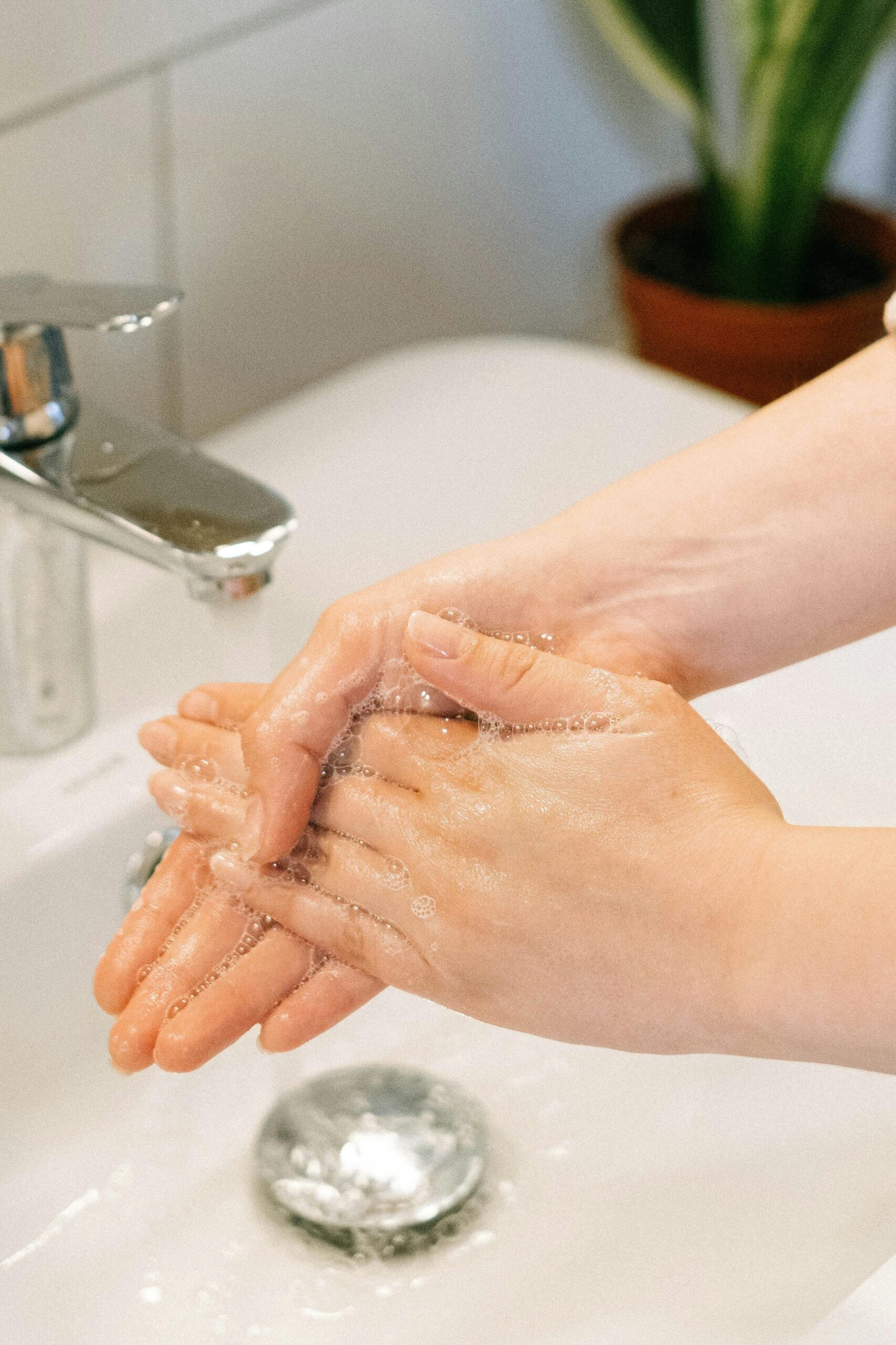
- Hand Hygiene: CHG is a key ingredient in hand sanitizers and hand washes for healthcare workers. It helps prevent the spread of infections, particularly in hospitals where the risk of cross-contamination is high.
- Wound Care: Caregivers apply CHG to clean wounds and prevent infections, promoting faster and more effective healing. Medical professionals commonly use it in both acute care and chronic wound management.
- Catheter Site Preparation: To prevent bloodstream infections, healthcare providers use CHG to disinfect the insertion sites of central venous catheters. This is crucial in reducing the risk of central line-associated bloodstream infections (CLABSIs).
- Surgical Scrubs: Surgeons and healthcare providers use CHG as an antiseptic hand scrub before performing surgeries, ensuring that their hands are free of pathogens that could cause infections.
2. Dental Applications:
- Oral Rinses: Manufacturers include CHG in mouthwashes to reduce oral bacteria, treat gingivitis, and prevent the formation of dental plaque. Dentists commonly recommend it for patients with periodontal disease or after oral surgeries.
- Periodontal Treatments: Dentists use CHG during dental procedures to control plaque and prevent infections in the gums, supporting overall oral health.
3. Veterinary Applications:
- Animal Care: Veterinarians use CHG to clean and disinfect wounds in animals. They also apply it as an antiseptic wash, ensuring the health and safety of pets and livestock.
4. Household and Personal Care:
- Disinfectant Wipes and Sprays: CHG is found in products designed to disinfect surfaces and maintain personal hygiene. It is effective in reducing the presence of bacteria in homes and other environments.
- Antiseptic Soaps: Used in personal care products, Chlorhexidine Gluconate helps maintain daily hygiene by reducing bacterial presence on the skin. Offering protection against common infections.
5. Healthcare Settings:
- Surface Disinfection: CHG is employed to disinfect medical instruments and surfaces in hospitals and clinics. Helping to maintain sterile environments and prevent the spread of infections.
- Central Line Dressing Kits: Chlorhexidine Gluconate is incorporated into dressing kits for central lines. Maintaining sterility and preventing infections in patients requiring long-term intravenous therapy.
6. Industrial and Other Uses:
- Pharmaceutical Manufacturing: Manufacturers use Chlorhexidine Gluconate as a disinfectant in pharmaceutical production, ensuring products remain free from microbial contamination.
- Food Industry: Although less common, food industry professionals sometimes use CHG to sanitize surfaces and equipment, helping maintain food safety standards.
Conclusion
Chlorhexidine Gluconate proves to be a highly effective antiseptic and disinfectant, offering a wide range of applications across different fields. Its ability to combat various microorganisms, combined with its residual activity and skin tolerance, makes it the preferred choice in medical, dental, veterinary, and personal care settings. Whether preventing surgical site infections, maintaining oral health, or disinfecting surfaces, CHG demonstrates its versatility and effectiveness, continuing to serve as an indispensable tool in promoting health and hygiene.
For more information visit: https://www.ncbi.nlm.nih.gov/pmc/articles/PMC7567658/
Why choose CHG- Visit: https://chlorhexidine.co.za/2024/08/20/effectiveness-is-why-you-should-choose-chg/
Visit Our Main Website: https://dalgica.com/